“A good coach can change a game…” -Unknown
My coaching career started in Ninilchik, Alaska. At 22, I was completely inexperienced in coaching or volleyball. One afternoon, Mrs. Thomas, a teacher at the local high school, suggested the idea to me. Coaching? It had never crossed my mind.
I’m not sure how long I hesitated before agreeing, but eventually, I did. The reasons behind my decision to take on coaching are now a blur, but that decision undeniably altered the course of my life.
Coach: \ˈkōch\
:one who instructs players in the fundamentals of a sport and directs team strategy
: to train intensively (as by instruction and demonstration)
Volleyball quickly became something I held close to my heart, along with every player and manager. My journey, however, did not begin at the starting line, but from a place of limited understanding of the game and a lack of leadership skills.
The first step, which was the simpler of the two, involved acquiring an official high school volleyball rule book. I diligently read it from cover to cover repeatedly. As for the initial practice, I can’t recall precisely how I tackled conditioning, basic skills, or strategy. But once I arrived and assessed the team I had, it became clear why Mrs. Thomas was so keen on me taking over.
Only seven girls were willing to play; among them, three had previous experience, and of those, one was exceptionally athletic. However, none had any knowledge of positions or strategies. We were quite a “ragtag” bunch.
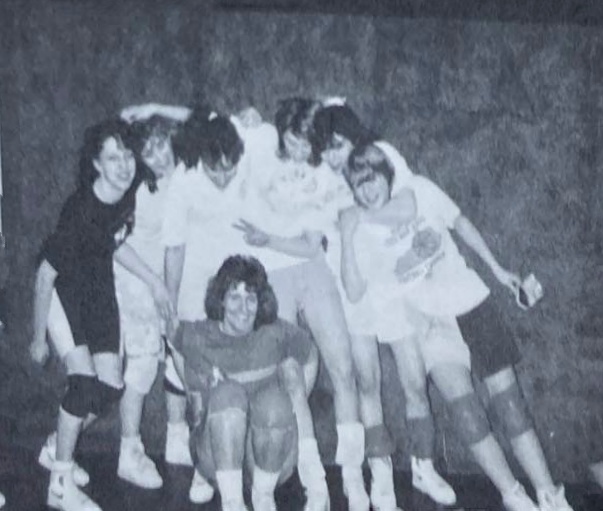
This photo is of my first team, only six players and I are pictured.
The oldest player in the first year was 18, while I was 22. Fortunately, this young lady was disciplined, respectful, and coachable. Nonetheless, at every place we played, the visiting coaches would mistake our male driver for the coach, assuming I was one of the players.
I acquired coaching skills through trial and error, heeding the counsel of experienced teachers, the athletic director, and my family and friends, regardless of whether I sought their advice or not. Observing the tactics and maneuvers of opposing coaches also provided valuable insights, which I adapted for my team. As I grew more confident, I began to approach certain coaches with numerous questions.
The most effective learning experience I had was when a seasoned girls’ basketball coach from the same school permitted me to assist him on an unofficial basis from time to time. His coaching a different sport was irrelevant because he possessed that indefinable quality that made him an outstanding coach. I had a front-row view of his interactions with the players, his practice setups, game preparations, his way of encouragement, and how he motivated them to reach their full potential.

Ninilchik High School, Ninilchik, Alaska
The initial four years were challenging as we learned the fundamentals of the game. However, the ease with which we enjoyed being a team, filled with laughter and jokes, was undeniable. It became apparent to me quite swiftly the significant impact a coach can have on their players’ lives. I started to grasp the delicate balance between discipline and physical conditioning, game strategy, life lessons, and infusing all these with fun.
By our fifth season, we had become competitive, which was exhilarating. We were winning not just games, but entire matches. That year, there was a strong chance we would make it to the Championship match at the Regional Tournament. Early in the season, we took a three-day road trip to Anchorage. Upon arrival, we dropped our belongings in the rooms assigned to us at the school and went out to eat. Some of the girls wanted to shop, so we headed to the local mall, allowing us to accomplish both in one stop. Visiting a mall was routine, and the rules were clear and, to my knowledge, always properly followed.
As I exited the store after checking on two of my players, a security guard approached me. He inquired about my name and asked if I was the guardian for a specific player, who happened to be one of the individuals I had just spoken with inside the store. I clarified that I was her coach. He then asked me to accompany him. Suddenly, I was filled with worry—what could have happened in just the last few minutes? He escorted me to the security office and informed me that my player was on the verge of being detained for shoplifting. My heart plummeted. He proceeded to present video evidence, then she was brought into the office. Immediately, she burst into tears and apologized. I felt a mix of disappointment and anger. Ultimately, the store opted not to pursue charges and handed her over to me.
We departed from the security office and made our way to the van, where, by then, the rest of the players, the manager, and the driver were waiting for us. Throughout the walk to the van, the individual who had committed the theft was attempting to persuade me to remain silent about the incident. She said, “No one else has to know.” Clearly, she didn’t understand my principles; there were rules and standards that needed to be maintained, not just by the public school system, but by myself as well.
Immediately upon being able to, I called the Athletic Director. There were multiple disciplinary options, but it was crucial to convey a prompt message to the individual player, the team, and the entire school. The player was instructed to inform her parents of her actions, to leave for home at once, and she was barred from participating in volleyball for the remainder of the year. Her parents needed to buy an airplane ticket for her departure later that evening. I remained with the team while the driver escorted her to the airport at midnight.
The next morning, I engaged in a stern discussion with the team about the importance of honesty, adherence to rules, and compliance with the law. What I omitted earlier is that this player was not just a starting member but also immensely talented. As a ninth grader, she exhibited remarkable athleticism. Until then, she had been highly receptive to coaching, and I envisioned her leading the team to a championship victory.
I was compelled to reconsider our strategy. We had ten girls, and the one who replaced her couldn’t match her abilities. I maintained a positive attitude even as I witnessed our potential winning year slipping away.
That year was a learning experience for me. What was my goal? Many people and coaches argue that if you’re not pushing to win, then there’s no point in playing. However, I observed that players were learning valuable life lessons. Often, one learns more from struggling than from effortless success.
It took two years to recover from the loss of our top player following the shoplifting incident and to regain our previous status. In the subsequent year, the player opted out, prompting us to enter a rebuilding phase. The year after, we made it to the Championship match and were victorious.
What I’ve learned about winning and losing has been eye-opening. This was my seventh year of coaching, and it had been a tough journey transitioning from constant losses to victories. I had learned the importance of perseverance; there were countless times I was tempted to quit, to ease up on the girls, to abandon teaching techniques. But I persisted. I realized that every action counts, even when it seems insignificant. Occasionally, it felt like my efforts were in vain, but then a moment would arise that made me realize I had made an impact on someone, and that is significant. Thus, when we secured 1st place in our region that year and for the following two, coaching became simpler in one aspect as I no longer needed to devote all my time to teaching the fundamentals. However, coaching presented a new challenge as I aimed to instruct more intricate strategies and plays, ensuring that all the girls were proficient in every position.
The most surprising aspect of winning for me was this: in that first year, as we scored the final point, received the awards and trophies, and were driving out of the parking lot on our four-hour journey home, I realized my feelings were no different than when we had finished last or even second. It was not the feeling I had anticipated. I have never truly grasped this, nor have I inquired whether other coaches have reached the same conclusion.
Two years later, I learned that my coaching position would be taken over by someone else. The new principal at Ninilchik decided to assign my role to a teacher. This news was deeply disheartening. For nine years, I had served as a coach, on the Special Ed clerical staff, volunteer art teacher, and a long-term substitute for the school. My heart was broken, yet unbeknownst to me, God had a different plan in store. Not the following season, but the one after, I was offered a teaching position at Cook Inlet Academy, another school 45 miles away, but closer to my home. There, I assumed the roles of teacher and coach, and my children attended school. It became more than just employment; it became our family.
I spent twelve years at Cook Inlet Academy, where I coached volleyball and track and field, along with my teaching duties. Subsequently, I returned to North Carolina and took up teaching and coaching at Hayworth School in High Point, also serving as the Athletic Director for four years.
I began working for NCDMV in February of 2016, and gave up my classroom teaching and have not coached since. Even so, I always consider myself a teacher and coach.
Over the years, I have stayed in touch with many of my players. Often, we don’t realize the extent of our impact on those around us, and we may never fully understand it. Fortunately, thanks to Facebook, different players (and students for that matter) have messaged me and shared what they learned from me. It has been a humbling experience to read such words.
I’d like to share what happened to that young woman who was once caught shoplifting. She reached out to me unexpectedly about 10 years ago, after I had resettled in North Carolina. At that time, she harbored a lot of anger towards me, which is why she had refused to participate in previous years. Her jealousy of the team’s success was evident as well. However, as she matured, she expressed her gratitude for my holding her accountable. She acknowledged that she had been on a destructive path. This affirmation is why I persisted in doing what I felt was right. Was I flawless? Far from it. But did I make an impact? I like to think so, and that’s all we can strive for.
A good coach can change a game. A great coach can change a life.”
-Unknown

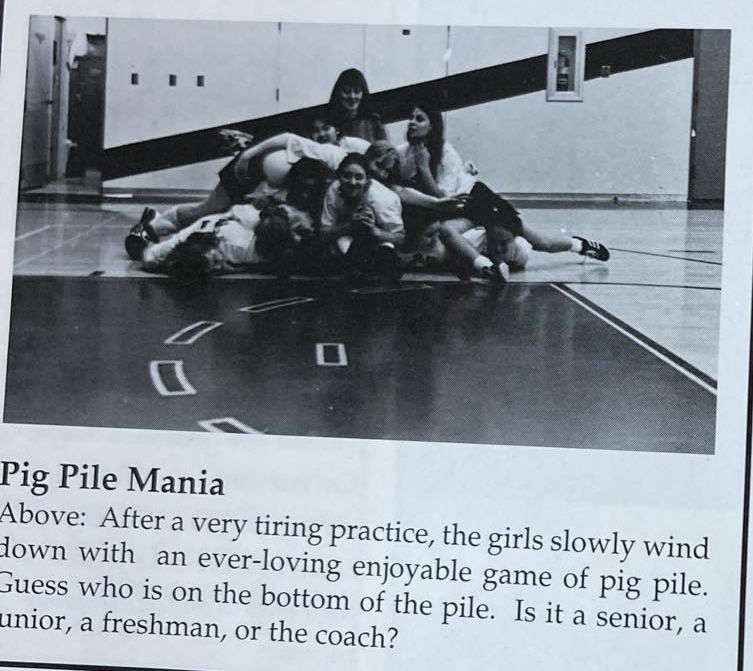
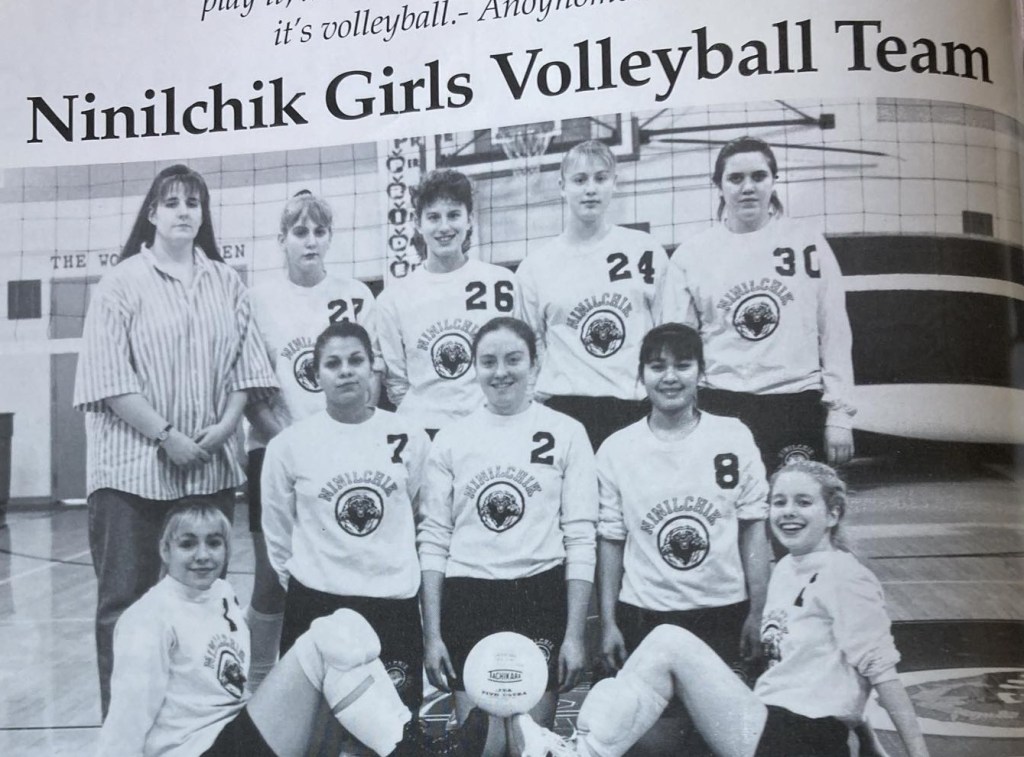
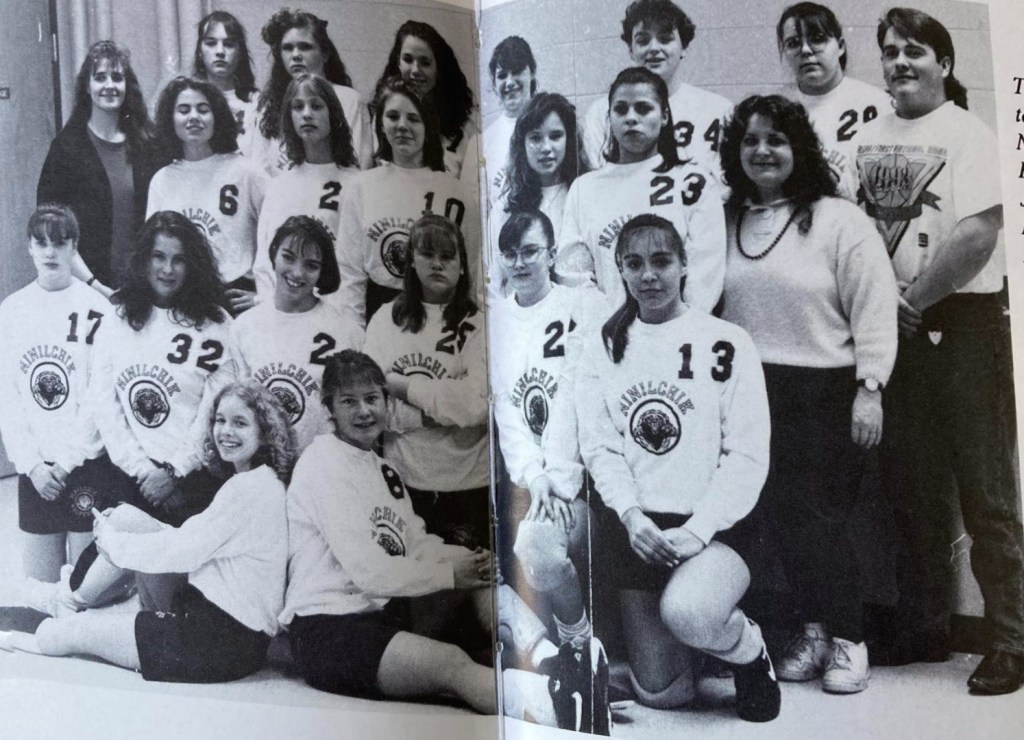
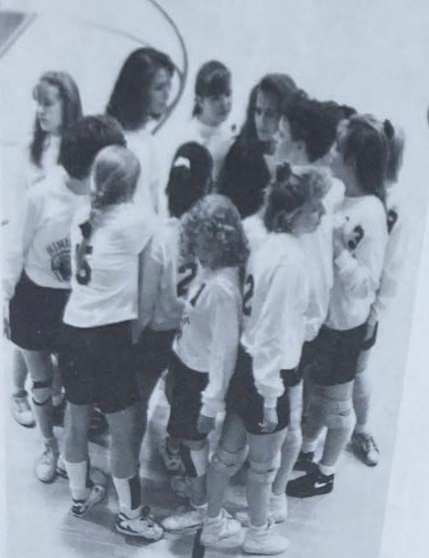
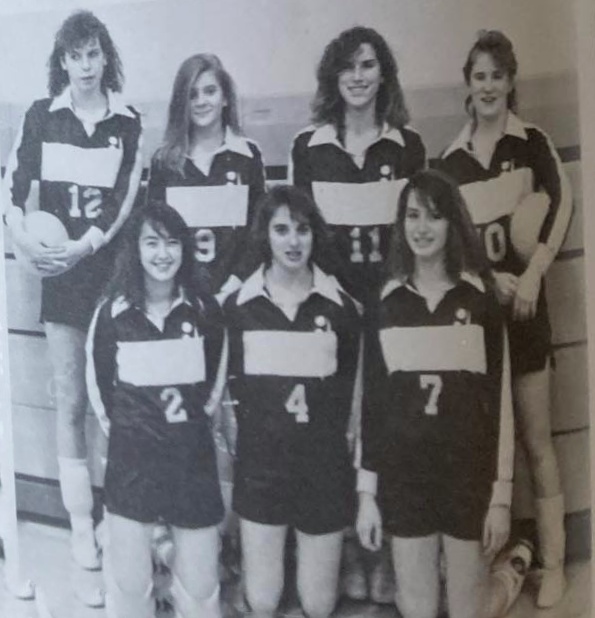
Coaching at Ninilchik High School, Ninilchik, Alaska


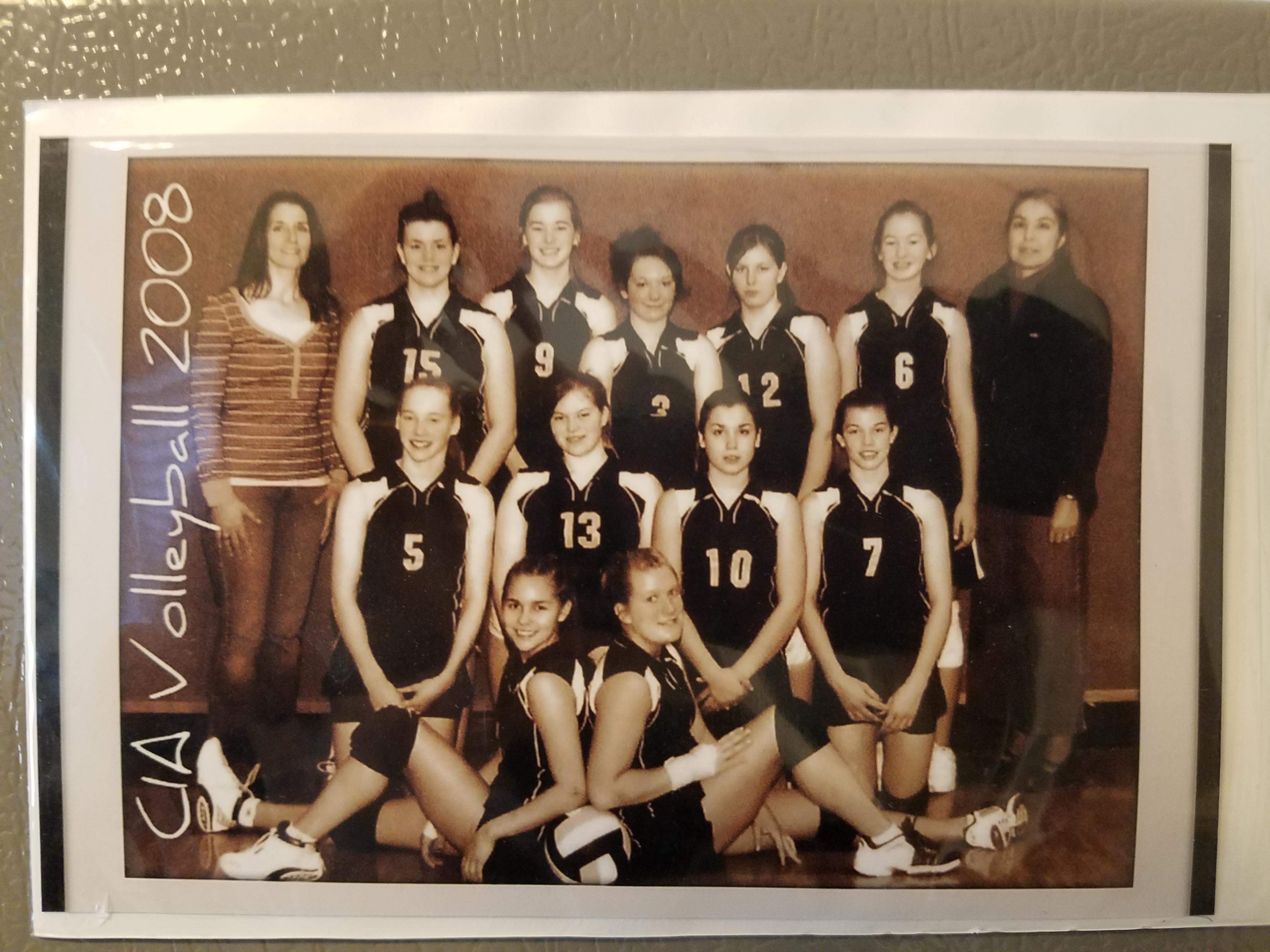
Coaching at Cook Inlet Academy, Soldotna, Alaska
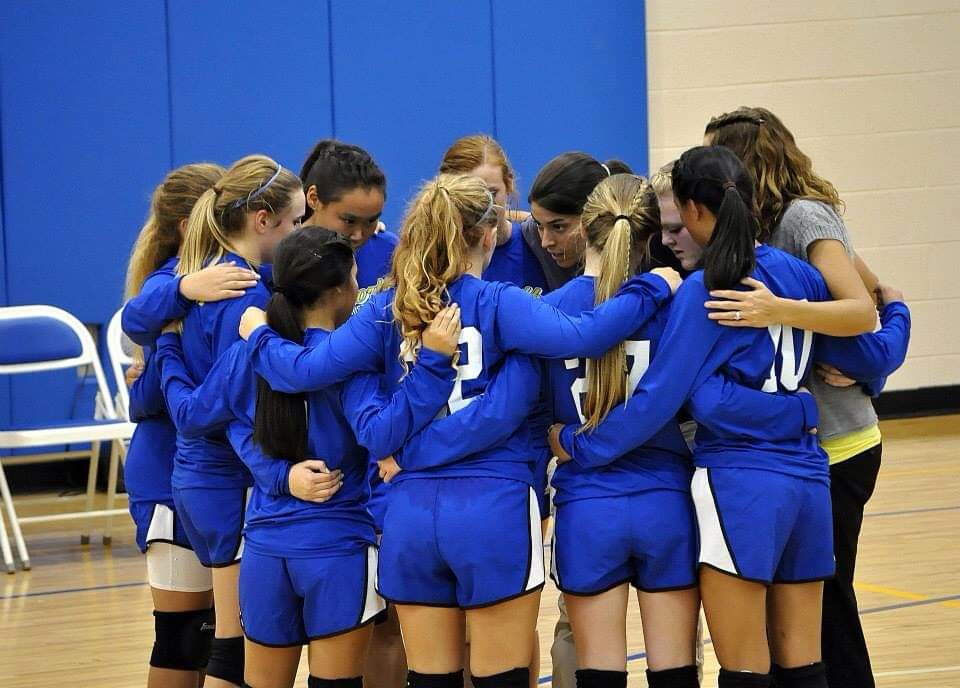
Coaching at Hayworth School, in High Point, NC.
“As always”: I’m eager to hear your views on “A Good Coach…” and your personal experiences. Feel Free to leave a comment, send an email, or reach out to me on Facebook. If you find this blog enjoyable, please LIKE, SHARE, and SUBSCRIBE. I appreciate you taking the time to visit and share a moment with me. Until next time, see you!


https://www.facebook.com/share/D4c4WB6YcXias4jz/?mibextid=qi2Omg

 Through the LENS: a perspective of heart...
Leave a comment